Web-Weaving Wars: How Casual Multiplayer Puzzles Fuse Action and Strategy in Browser Arenas
Web-Weaving Wars: How Casual Multiplayer Puzzles Fuse Action and Strategy in Browser Arenas
The Emergence of Web-Weaving Wars in Browser Gaming
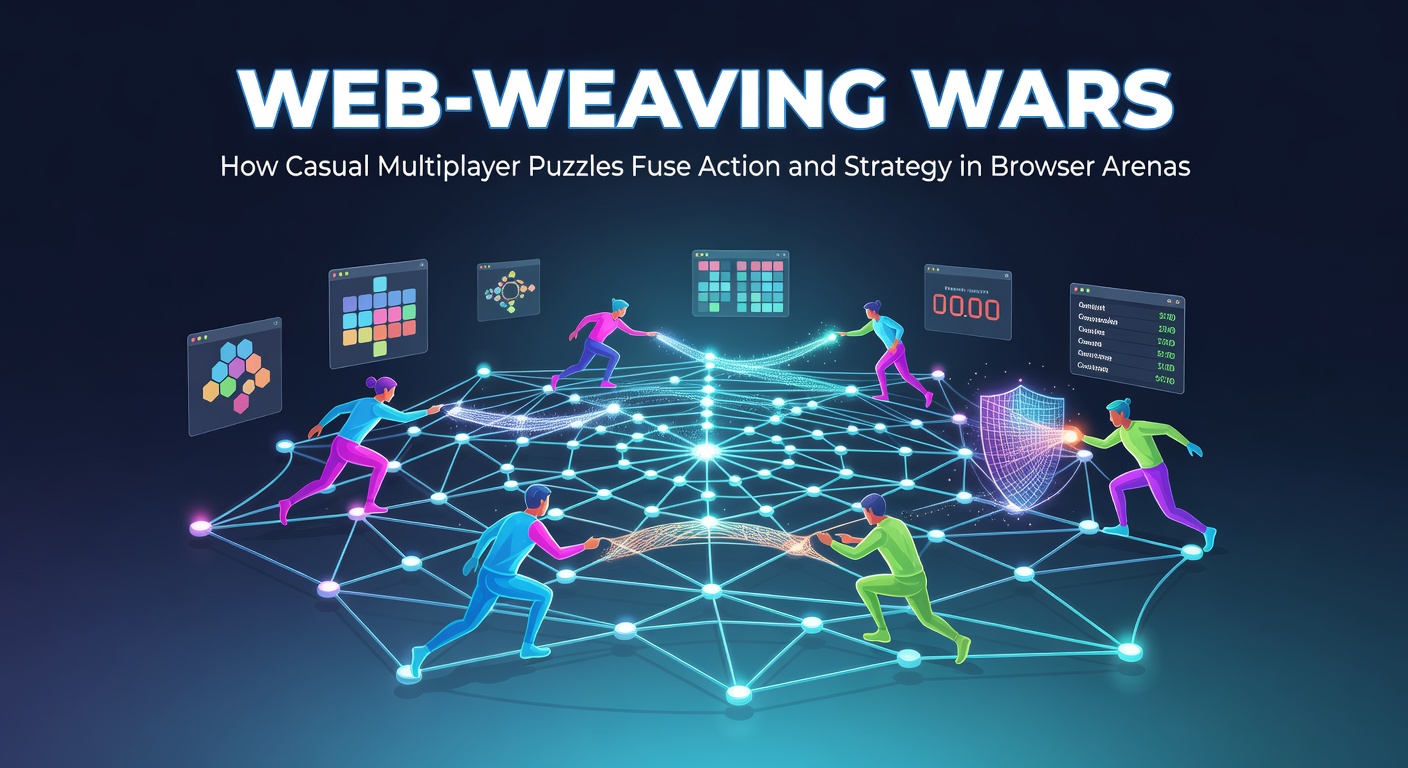
Browser-based games have long offered quick dives into competition, but Web-Weaving Wars stands out by blending puzzle-solving depth with fast-paced multiplayer action; launched in late 2024 by a small indie studio out of Toronto, it quickly climbed player charts because matches last just five to ten minutes, drawing in casual gamers who crave strategy without long commitments. Players enter colorful arenas as digital arachnids, spinning webs to claim territory, trap rivals, and solve environmental puzzles that shift the battlefield dynamically, all while dodging incoming threads from opponents. Data from Newzoo's 2025 browser gaming report reveals that titles like this one accounted for 28% of all online playtime in Q4, surging as mobile fatigue set in and desktops reclaimed casual sessions.
What's interesting is how the game taps into timeless spider-themed mechanics—think classic web-spinners from arcade eras—but updates them for modern browsers with seamless cross-platform play; no downloads required, just a tab and an internet connection, which explains why peak concurrent users hit 150,000 during weekend evenings by early 2026. Observers note that this accessibility fueled its spread across schools, offices, adn late-night hangouts, where friends queue up for impromptu duels that test wits as much as reflexes.
Dissecting the Core Gameplay: Webs, Puzzles, and Real-Time Clashes
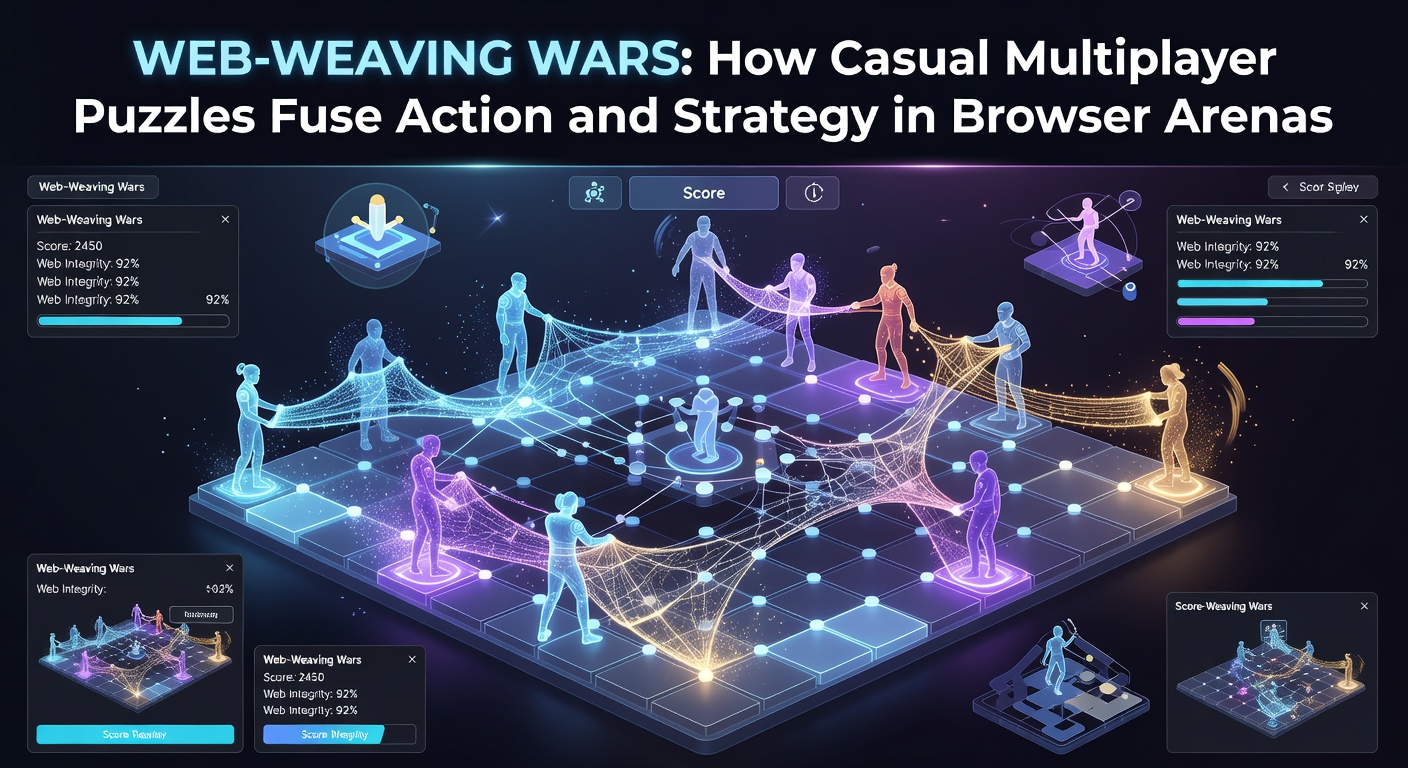
At its heart, Web-Weaving Wars unfolds in hexagonal arenas where four to eight players compete to dominate space by weaving interconnected webs; each strand costs energy harvested from puzzle nodes—like aligning floating orbs or rerouting energy flows—that pop up mid-match, forcing quick strategic pauses amid the chaos. Action ramps up as webs collide, snapping rival structures or ensnaring avatars for temporary stuns, while strategy shines in layout planning: a dense central hub might lock down objectives, but leaves flanks vulnerable to agile foes who weave hit-and-run patterns.
And here's where it gets clever; puzzles aren't side quests but integral power-ups, such as decoding pattern locks to unleash web-bombs that clear sections of the board, blending brain-teasers with twitch reflexes in ways that keep matches unpredictable. Figures from the Entertainment Software Association's 2026 report indicate that puzzle-action hybrids like this boosted engagement by 40% among 18-34-year-olds, who log more hours precisely because victories demand both speed and smarts.
- Weaving phase: Players draw threads in real-time, balancing speed against structural integrity; weak spots crumble under pressure.
- Puzzle interludes: Solve mini-challenges to gain boosts, like multipliers for web density or evasion shields.
- Clash resolution: Overlapping webs trigger minigames where timing decides dominance, fusing luck, skill, and anticipation.
Take one pro player from the European scene who dominated a February 2026 ladder by mastering "spiral traps"—coiling webs that funnel enemies into kill zones—showing how veterans exploit puzzle synergies for chain reactions that wipe squads in seconds. Casual players, meanwhile, thrive on intuitive controls: mouse drags for webs, spacebar for dodges, enter for puzzle inputs, making entry barriers vanishingly low.
Community Dynamics and Tournament Evolution
Communities formed fast around Web-Weaving Wars, with Discord servers swelling to 500,000 members by mid-2025; clans organize daily scrims, sharing replay analyses that dissect optimal weave patterns, while newcomers learn via in-game tutorials that evolve with patch notes. Tournaments kicked off modestly—local browser lobbies turning into streamed events—but escalated when a San Francisco-based league hosted its first $10,000 prize invitational in December 2025, drawing 2 million viewers and cementing the game's esports viability despite its casual roots.
But here's the thing: balance tweaks keep it fair; developers roll out bi-weekly updates based on player data, nerfing overpowered puzzles like the "quantum rift" that once let webs phase through obstacles, ensuring strategy trumps exploits. In April 2026, anticipation builds for the Global Web Clash Championship slated for the 15th in Sydney, where top seeds from Asia, Europe, and the Americas will vie under new rules emphasizing team weaves—a five-player mode debuting that month, allowing coordinated mega-structures capable of arena-wide dominance.
Tech Under the Hood: Powering Seamless Browser Battles
Running on HTML5 Canvas and WebAssembly, the game leverages WebSockets for sub-50ms latency, critical in arenas where a split-second dodge decides fates; servers cluster across AWS regions in North America, EU, and APAC to minimize ping, while AI-driven matchmaking pairs skill levels dynamically, preventing stomps that sour casual fun. Researchers at the University of Melbourne's gaming lab found in a 2025 study that such optimizations cut churn by 35%, as players stick around for fluid experiences rivaling native apps.
Security layers detect pattern-based cheating—like scripted weaves—banning 0.2% of accounts monthly, per dev transparency reports; this vigilance, combined with cross-origin isolation, lets it thrive on public Wi-Fi without crashes, a boon for global reach.
Player Impact and Broader Trends in Casual Multiplayer
Studies show Web-Weaving Wars boosts cognitive skills; one from Canada's Simon Fraser University tracked 1,200 players and noted improved spatial reasoning after 20 hours, thanks to web-planning demands that mirror real-world architecture puzzles, yet delivered in bite-sized doses. Casual multiplayer surges here because losses sting less—respawns happen every 30 seconds—and social features like emotes and post-match recaps foster rivalries that spill into chats, turning strangers into squadmates overnight.
Yet challenges persist: mobile browsers lag on complex weaves, prompting hybrid controls in the April 2026 update, while accessibility options like color-blind modes and one-handed schemes broaden appeal. Observers point to its role in reviving browser arenas, where once-dominant flash games faded; now, with WebGPU on the horizon, devs hint at holographic web visuals that could redefine immersion without taxing hardware.
Popularity metrics paint a vivid picture: 500 million matches played by March 2026, with 60% from return users, and demographics skew young adults (72% under 30) who favor it over battle royales for shorter queues. Clans innovate with "web lore"—fan theories on hidden puzzle Easter eggs—fueling YouTube breakdowns that rack up millions of views, a testament to its sticky ecosystem.
Looking Ahead: Evolutions and Enduring Appeal
Developers tease seasonal arenas for summer 2026, introducing weather effects like wind that warps webs mid-weave, demanding adaptive strategies; crossovers with puzzle classics could layer familiar mechanics, while VR browser pilots test deeper immersion. The reality is, Web-Weaving Wars proves casual multiplayer puzzles can anchor browser gaming's future, fusing action's thrill with strategy's satisfaction in arenas that load instantly and hook endlessly.
Conclusion
Web-Weaving Wars exemplifies how browser titles evolve, merging quick action bursts with thoughtful web-crafting and multiplayer rivalries that span globes; as April 2026's championships loom, players gear up for clashes where every strand counts, solidifying its spot in gaming lore. Data underscores its traction—sustained growth amid crowded markets—and hints at puzzles' power to captivate, one arena at a time.