Strategic Branching in Browser Games: How Layered Decision Trees Enhance Episodic Puzzle and Arcade Experiences
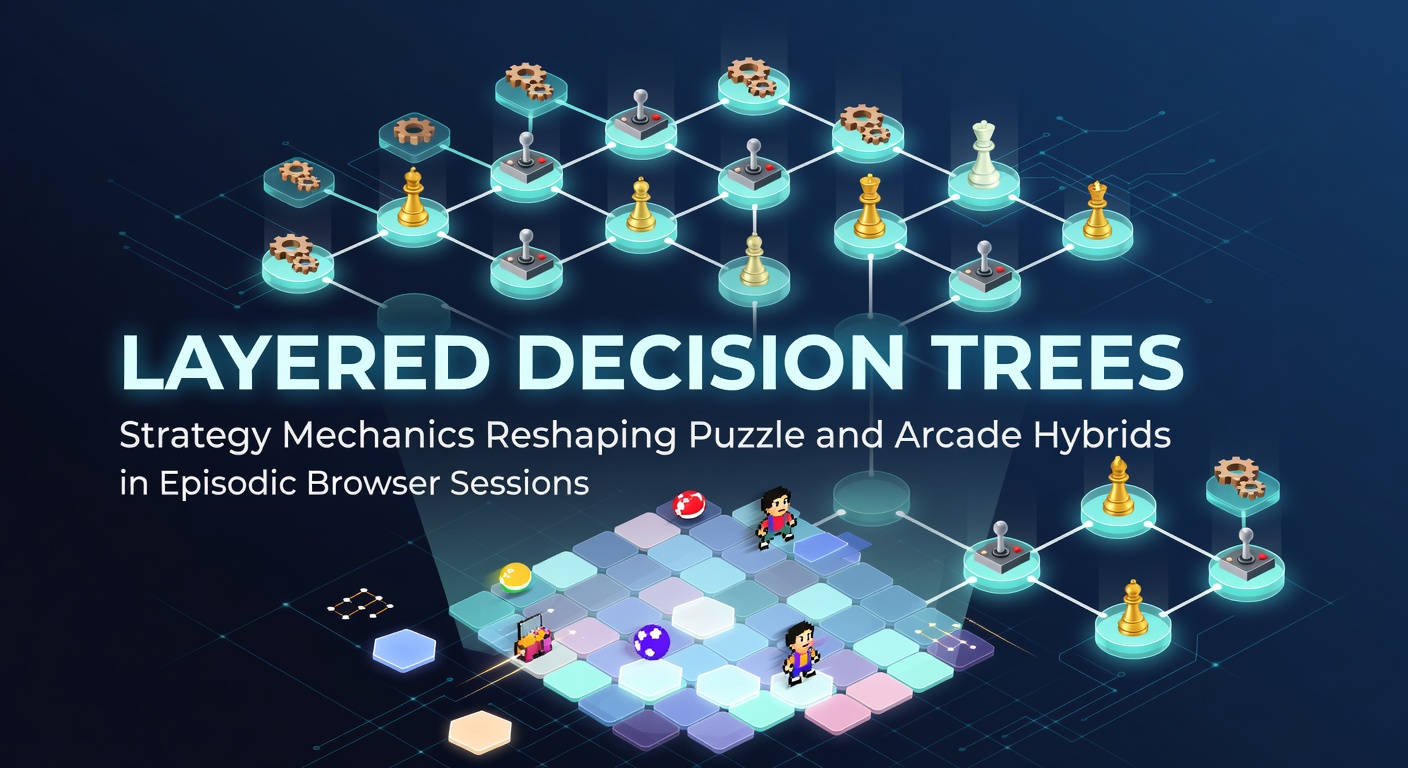
Layered decision trees operate as branching structures where each choice generates subsequent options that build upon prior selections, and developers integrate these systems into episodic browser sessions to create sustained engagement across multiple short play periods. Data from industry reports shows that such mechanics appear in puzzle and arcade hybrids because they allow players to revisit earlier episodes with accumulated knowledge that alters outcomes in later segments without requiring persistent saves across devices.
Core Mechanics of Layered Decision Trees
Each layer in these trees represents a decision point that connects to multiple child nodes, and researchers note that this structure differs from simple binary choices by incorporating conditional branches based on accumulated player actions over episodes. Studies indicate that browser environments benefit from this approach since sessions often last under ten minutes yet accumulate strategic weight when players return in subsequent tabs or devices. One analysis of web-based titles revealed that decision trees with three to five layers per episode maintain retention rates higher than linear progression models because players test alternative paths in replay sessions.
Integration with Puzzle and Arcade Hybrids
Puzzle elements gain depth when decision trees layer constraints such as resource limits or timing windows onto core matching or navigation tasks, while arcade components receive strategic overlays through score multipliers that depend on earlier branch selections. Observers report that hybrid titles released in 2025 frequently embed these trees to blend reflex-based challenges with planning requirements, and figures from the Entertainment Software Association reveal steady growth in browser hybrid downloads during the first half of 2026. Players encounter scenarios where an early puzzle solution unlocks an arcade sequence whose difficulty scales according to previous choices, creating replay incentives within the episodic format.
Episodic Structure in Browser Environments
Browser sessions support episodic delivery because they require no installation and permit immediate access through standard tabs, and layered decision trees exploit this accessibility by preserving state through server-side tracking rather than local files. Research conducted at the University of Melbourne in 2025 found that episodic browser games using decision trees achieved average session counts 28 percent higher than non-branching equivalents, particularly when episodes released weekly. The mechanics encourage players to consider long-term consequences across disconnected play windows, since one path taken in episode three may close options in episode five while opening alternate routes that reward different strategies.
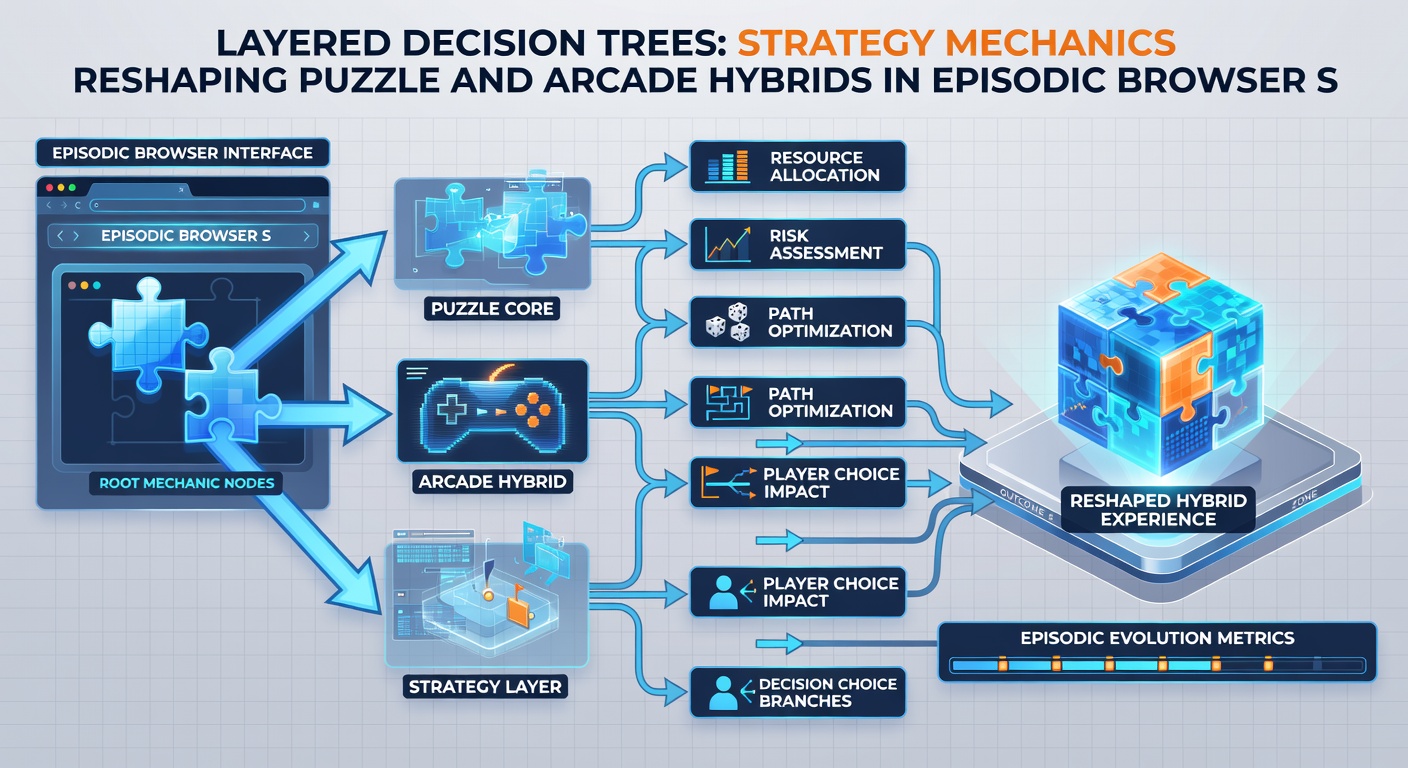
Implementation Patterns Observed in 2026
Developers have adopted modular tree designs that separate visual feedback from backend logic, allowing updates to individual episodes without disrupting prior player progress, and reports from the Interactive Software Federation of Europe document increased use of these patterns in titles targeting casual audiences. In June 2026 several platforms introduced tools that let creators visualize decision layers during development, reducing implementation time for complex branching. These systems handle edge cases such as conflicting choices across episodes by prioritizing the most recent selection when multiple valid paths exist, which maintains consistency within browser memory constraints.
Player Interaction and Retention Data
Analytics collected across multiple browser platforms show that players who engage with at least two layers of a decision tree per session return for additional episodes at rates exceeding those recorded for linear puzzle or arcade formats alone. The structure supports both cooperative and competitive modes because shared decision points can influence group outcomes in multiplayer browser sessions, whereas single-player branches remain private. Evidence from academic papers presented at the 2025 Games and Learning Alliance conference indicates that decision tree visibility, presented through subtle interface cues rather than explicit diagrams, correlates with improved strategic comprehension among new users.
Technical Considerations for Browser Deployment
Performance requirements remain modest because decision trees execute through lightweight JavaScript functions that evaluate conditions only at transition points between episodes, and this approach avoids the resource demands of full simulation engines. Compatibility testing across major browsers confirms that layered trees function reliably when implemented with standard web APIs for state management, allowing seamless continuation whether a user switches devices or resumes after closing a tab. Developers often compress tree data into JSON structures that load incrementally, which keeps initial episode startup times under three seconds on average connections.
Conclusion
Layered decision trees continue to appear in episodic browser titles that combine puzzle and arcade elements because they provide measurable extensions to player agency within short sessions. Data collected through 2026 demonstrates consistent patterns of increased episode completion when branching mechanics connect across releases, and implementation remains straightforward within existing browser frameworks. These structures support ongoing content updates without requiring architectural overhauls, positioning them as durable tools for developers working in the episodic format.