Collective Advancement Frameworks Reshaping Engagement in Episodic Web Strategy Games
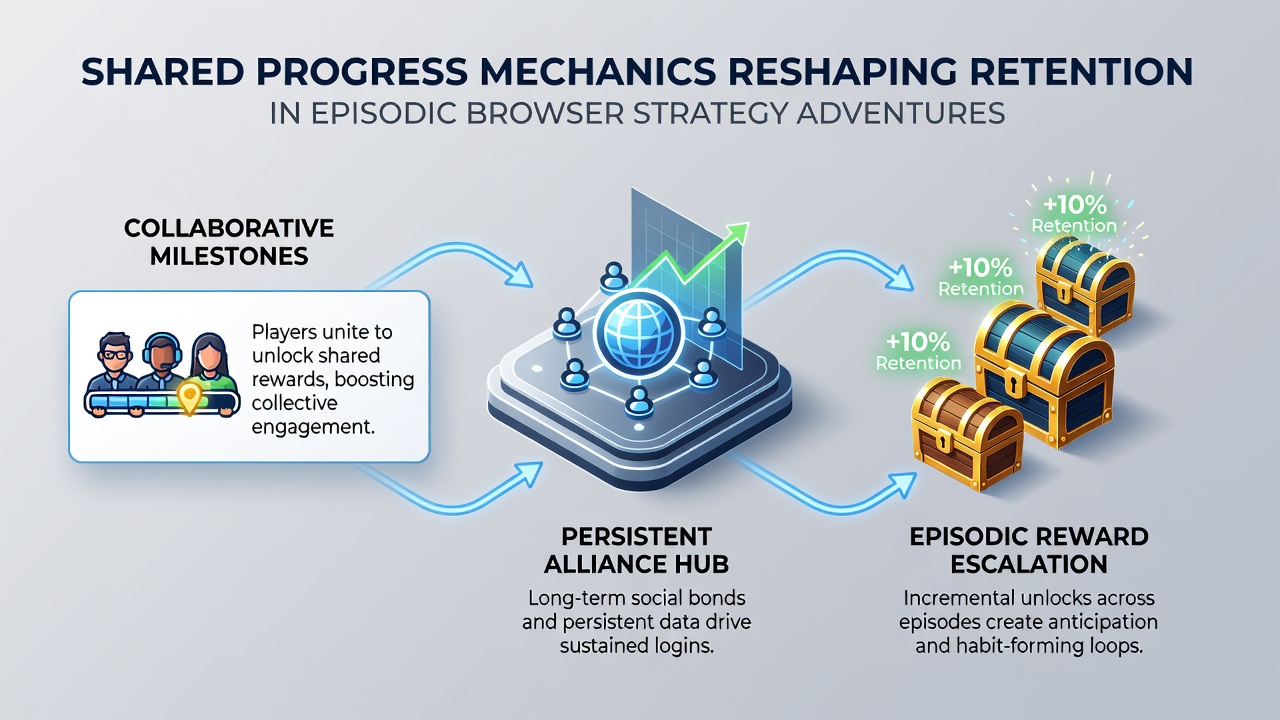
Collective advancement frameworks have emerged as central components in episodic browser strategy adventures, where multiple participants contribute to common objectives across serialized sessions that unfold over days or weeks. These systems allow progress made by one player to influence the shared state available to others, creating interconnected experiences that extend beyond individual play sessions and encourage repeated returns to the same title.
Core Components of Shared Progress Systems
Shared progress mechanics typically include synchronized resource pools, joint quest completions, and persistent faction developments that carry forward between episodes. Players contribute through actions such as territory control, resource gathering, or puzzle resolutions that affect group metrics, and these contributions update in real time within the browser environment. Research from the International Game Developers Association indicates that titles incorporating these elements see measurable differences in session frequency compared to purely solo formats, as participants coordinate schedules to align contributions with group goals.
Episodic structures benefit particularly from these frameworks because each new chapter releases with an updated collective baseline, meaning prior group efforts directly shape available options and challenges. This continuity reduces the isolation often found in standalone browser games and instead builds momentum across releases, with data from industry reports showing higher login rates in the days immediately following an episode drop when shared objectives are active.
Retention Patterns Observed in 2026
By July 2026, analytics platforms tracking browser-based strategy titles reported that games with collective advancement tools maintained weekly active user rates approximately 35 percent higher than comparable titles without such features. These figures come from aggregated telemetry across multiple platforms and reflect patterns where players returned not only for personal rewards but to maintain standing within group progress trackers. Observers note that the browser's always-accessible nature amplifies this effect, allowing quick check-ins to contribute small increments that accumulate toward larger shared milestones.
Integration with Decision Trees and Multiplayer Tactics
Many episodic browser strategy adventures layer shared progress onto branching decision systems, where group choices made in one episode determine resource availability or map states in subsequent releases. Participants must balance individual tactics with collective needs, leading to adaptive strategies that evolve across play sessions. Studies conducted by researchers at the University of Melbourne have documented how these layered systems promote longer-term planning, as players reference historical group data to inform current actions.
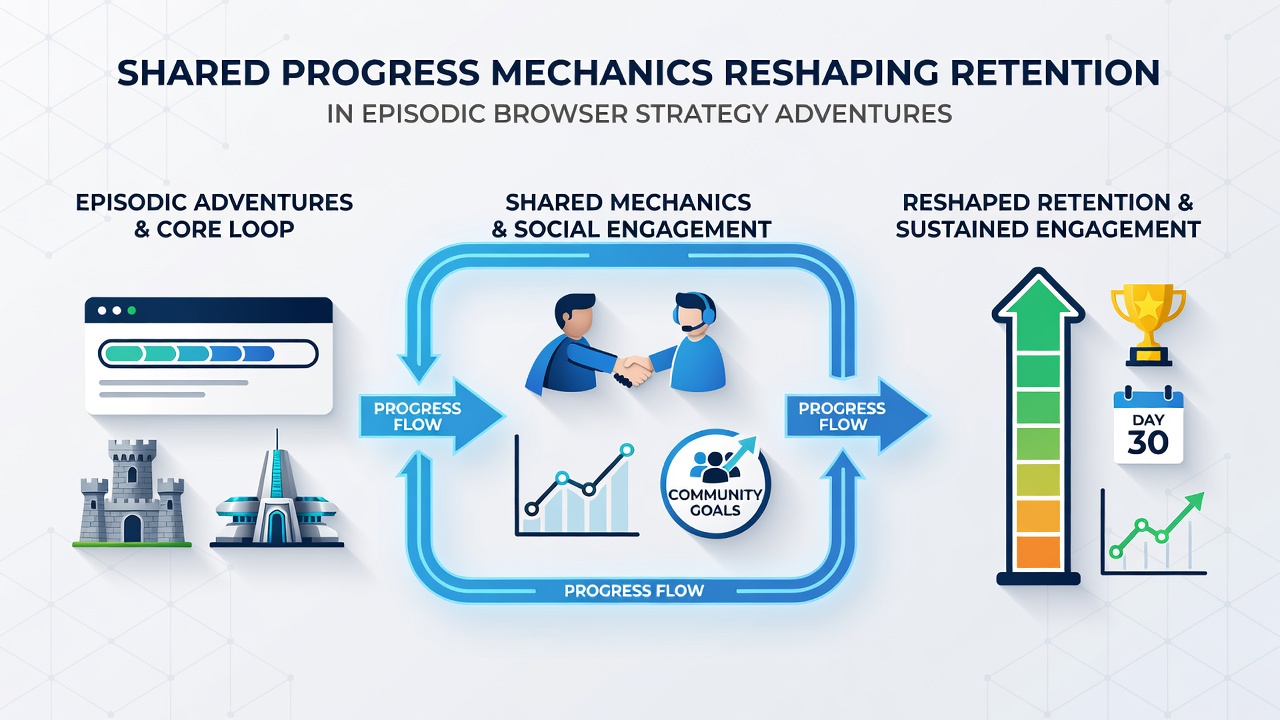
What's notable is the way audio cues and visual indicators signal collective milestones, guiding attention toward opportunities that benefit the wider group rather than isolated achievements. This design choice aligns individual play with broader campaign arcs, sustaining interest across the episodic release schedule. Participants often discover that early contributions yield compounding advantages, which in turn reinforces habitual engagement patterns.
Examples from Current Browser Titles
Take one popular episodic strategy series released in early 2026, where players form temporary alliances to complete territory expansions that carry over between chapters. Data collected by the Entertainment Software Association shows these alliances correlate with extended play windows, as members schedule joint sessions around new episode launches. Another title uses persistent shared research trees that unlock abilities for all participants once collective thresholds are met, creating natural incentives for consistent participation.
Those who've examined retention metrics across regions note similar trends in titles hosted on platforms serving European and North American audiences alike. The browser format facilitates this by eliminating download barriers, allowing new contributors to join mid-campaign and immediately impact ongoing group progress.
Conclusion
Collective advancement frameworks continue to influence how episodic browser strategy adventures structure player engagement. By linking individual actions to group outcomes across serialized releases, these mechanics establish feedback loops that sustain participation over time. Figures from multiple industry sources confirm elevated retention metrics in titles that implement such systems effectively, pointing to their role in shaping future development priorities within the browser gaming space.