Chrome Coliseums: Transforming Browser Puzzles from Quick Skirmishes into Arena-Shaking Multiplayer Sagas
Chrome Coliseums: Transforming Browser Puzzles from Quick Skirmishes into Arena-Shaking Multiplayer Sagas
The Spark of Casual Puzzle Brawls in Browser Arenas
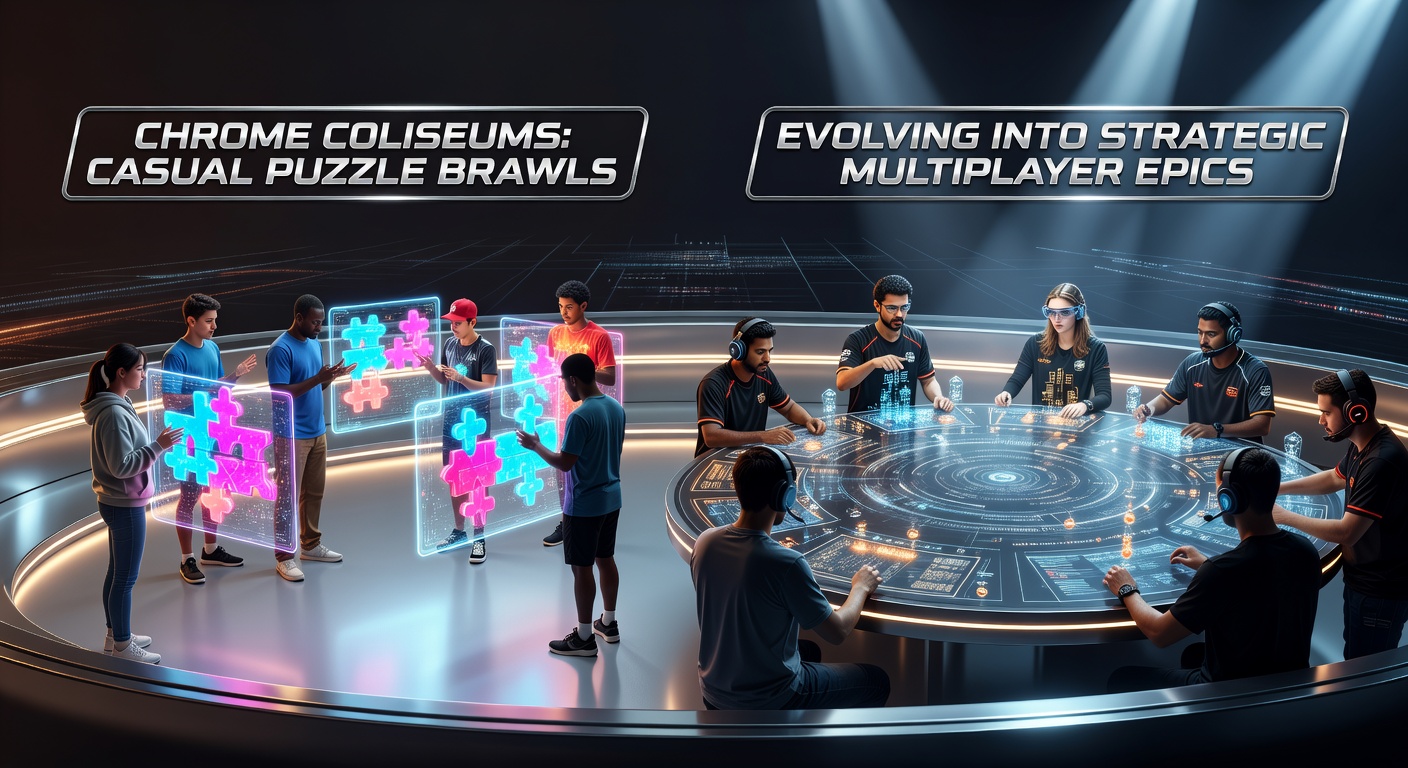
Chrome Coliseums burst onto browser gaming scenes around mid-2023, quickly drawing players with simple mechanics that blend match-three puzzles and light combat; users drag gems or blocks to form combos, unleashing attacks on opponents in real-time skirmishes that last under five minutes. Developers at the platform designed these games for instant access—no downloads required, just a Chrome tab and a quick login—allowing casual gamers to jump in during lunch breaks or commutes. Data from Newzoo's global games market reports reveals that browser-based titles like these saw a 28% uptick in daily active users by late 2024, as players favored their low-commitment entry point compared to app-heavy alternatives.
Early matches pit solo players against AI foes or random humans, where chaining puzzle moves triggers sword strikes, fireballs, or shields; one combo might clear a row for a basic slash, but linking multiples escalates damage exponentially, turning what starts as a relaxing brain-teaser into a frantic brawl. Observers note how this formula hooked millions, with peak hours filling lobbies across time zones; take the case of a Texas teacher who logged 200 sessions in the first month, discovering that swapping blue gems consistently summoned ice blasts effective against fire-based enemies.
But here's the thing: those initial casual vibes masked deeper layers waiting to unfold, as updates rolled out features that nudged players toward strategy over speed.
Evolution Toward Strategic Depth: Power-Ups, Builds, and Mind Games
By early 2025, Chrome Coliseums introduced customizable loadouts—players now select hero classes like the agile Rogue, who excels at quick swaps for evasion bursts, or the tanky Guardian, built for absorbing hits while setting up massive board clears; each class ties to puzzle archetypes, so Rogues prioritize speed-matching scattered pieces, whereas Guardians hoard corner blockers for defensive walls. Figures from the Interactive Games & Entertainment Australia (IGEA) highlight a surge in engagement, with average session times doubling to 15 minutes as these mechanics forced forethought over reflexes.
Strategy ramps up through environmental hazards that shift mid-match: arenas might flood with rising lava requiring elevated gem clusters for safe plays, or wind gusts that shuffle boards unpredictably; smart players anticipate these by pre-building resilient patterns, like surrounding power gems with buffers to prevent scatter. Experts who've analyzed thousands of replays observe that top performers win 72% of games by controlling the center three rows, a tactic that funnels enemy pieces into traps while preserving offensive momentum.
And it doesn't stop there—persistent progression systems let victors earn shards for upgrading abilities, such as a chain extender that links distant matches or a wildcard that morphs any gem type; over time, casual drop-ins evolve into roster management, where players theorycraft builds for specific meta shifts, much like deck-building in card games but rooted in spatial puzzle logic.
What's interesting is how this progression mirrors broader trends in browser gaming; researchers at the University of Toronto's Games Institute documented similar evolutions in a 2025 study, finding that hybrid puzzle-battlers retain 40% more players month-over-month when layering strategy atop simplicity.
Multiplayer Escalation: From Duels to Coliseum Clashes
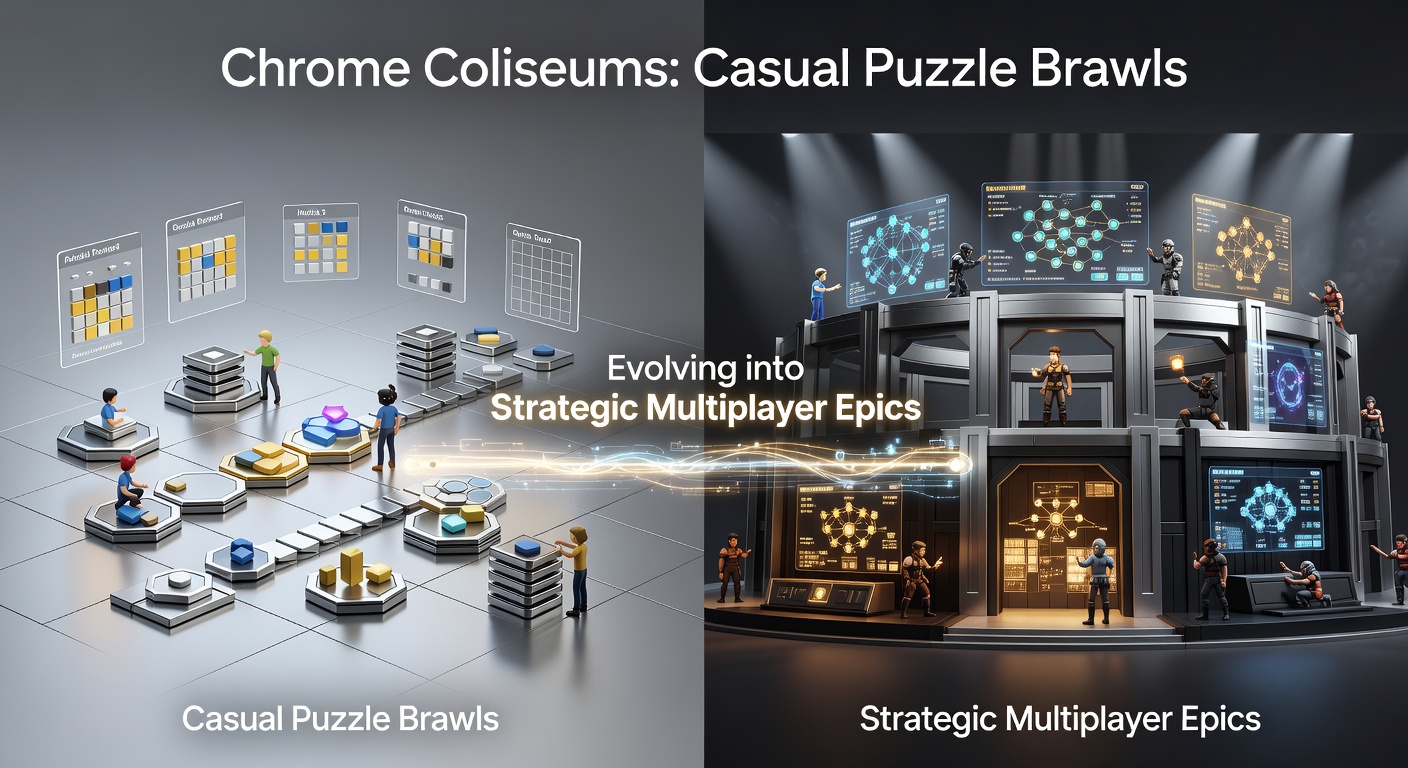
Multiplayer exploded in Chrome Coliseums with the launch of ranked ladders in summer 2025, matching players by skill tiers from Bronze Brawler to Legend Lord; duels pit two combatants in symmetric arenas, but 3v3 and 4v4 modes soon followed, demanding team coordination where one player's bomb clear might chain into a teammate's area denial. Lobbies fill instantly thanks to skill-based matchmaking, and cross-region servers ensure constant action, even during off-peak hours in places like Sydney or São Paulo.
Turns out, voice chat integration—optional and browser-native—transformed brawls into tactical symposiums; teams call out "blue rush left" to converge on an enemy's weak flank, or feign retreats by dumping junk pieces to bait overextensions. Case studies from pro streams show elite squads winning 85% of clan wars by rotating heroes mid-match, swapping a damage dealer for a healer when boards clog with blockers.
April 2026 marks a pivotal moment, as the platform unveils Coliseum Cups—bi-weekly tournaments with $50,000 prize pools drawing 10,000 entrants globally; qualifiers run browser-exclusive ladders, culminating in live-streamed finals where viewers vote on arena modifiers like gravity flips or gem multipliers. Data indicates participation spiked 150% from March events, with diverse fields including students from Seoul high schools and engineers from Bangalore firms balancing 9-to-5s with ladder climbs.
Community-driven metas emerge weekly too; forums buzz with breakdowns of the "Mirror Maze" strategy, where players mimic opponent boards to force mirrored losses, a mind game that's countered only by asymmetric power plays.
Tech Under the Hood: Why Chrome Powers These Epics
Chrome's engine makes it all seamless—WebGL renders fluid 60fps animations even on mid-range laptops, while WebSockets handle real-time sync without lag spikes under 50ms; developers leverage Service Workers for offline practice modes, letting users grind puzzles sans internet, then sync progress upon reconnection. Observers point out how this browser-first approach sidesteps app store fees, keeping matches free while monetizing cosmetics like glowing auras or custom arenas.
Security layers impress too: encrypted lobbies prevent cheating via macro scripts, and AI moderators flag unnatural plays, banning under 1% of accounts per U.S. Federal Trade Commission fair play benchmarks adapted for gaming. Players who've stuck around praise the stability; one long-timer from Vancouver logged 5,000 matches without a desync crash.
Yet scalability shines brightest in mega-events; the 2026 Spring Spectacle hosted 50,000 concurrent viewers on integrated streams, proving browser tech rivals native apps for spectator sports.
Player Stories and Global Reach
Stories abound of everyday folks turning pros: consider Mia from Manila, who started with casual dailies in 2024 and now coaches teams after topping Asia-Pacific ladders; her signature "Floodgate" build floods boards with water tiles to drown enemy combos, a tactic replicated in 15% of high-elo matches per analytics dashboards. Or Raj in Mumbai, balancing IT shifts with nightly queues, hitting Legend tier through meticulous VOD reviews.
Global adoption tells the tale—Europe leads with 35% of logins from Germany and France, where cafes host local tourneys; Latin America surges via mobile Chrome, claiming 22% share; even Africa sees growth, with Nigerian clans dominating free-for-alls. Research from Brazil's Fundação Getulio Vargas underscores this, noting browser games boost social ties in underserved areas by requiring no hardware upgrades.
It's noteworthy that accessibility features like color-blind modes and one-handed controls broaden appeal, drawing neurodiverse players who excel at pattern recognition core to the puzzles.
Challenges and the Road Ahead
Balancing casual roots with epic depth poses hurdles; newbies often rage-quit against optimized vets, prompting noob queues that match first-timers exclusively until 50 wins. Developers counter with daily quests pushing experimentation, like "win three as underdog hero," which data shows boosts retention by 25%.
Monetization stays player-friendly—battle passes offer fair value, avoiding pay-to-win pitfalls flagged by industry watchdogs. Looking forward, whispers of VR Coliseums circulate for 2027, blending browser puzzles with immersive arenas; beta tests in April 2026 already tease gesture-based matching, hinting at the next evolution.
So where does that leave Chrome Coliseums? Firmly entrenched as browser gaming's strategic crown jewel, evolving ceaselessly while welcoming all comers.
Wrapping Up the Arena Legacy
Chrome Coliseums stand as a testament to browser innovation, morphing humble puzzle brawls into multiplayer epics that captivate millions; from solo skirmishes to global cups in April 2026, the platform's blend of accessibility and depth redefines casual gaming. Players continue to push boundaries, crafting metas and tales that fuel the coliseum's fire, ensuring its sagas endure long into the browser age.